
Discover how dietary choices impact inflammation! A free printable PDF anti-inflammatory food list is readily available, guiding you towards berries, sweet potatoes, and oats․
Understanding inflammation’s role and utilizing resources like the 30-Day Autoimmune Diet Reset can empower proactive health management through mindful eating․
What is Inflammation?
Inflammation is the body’s natural defense mechanism against injury and infection, a crucial part of the healing process․ However, when inflammation becomes chronic – lasting months or even years – it can significantly contribute to a range of health problems․ This persistent, low-grade inflammation is linked to increased risks of various diseases, highlighting the importance of managing it effectively․
Understanding inflammation is the first step towards dietary intervention․ Resources like an anti-inflammatory foods list PDF can be incredibly helpful in identifying foods that either promote or reduce inflammation․ The newest buzz focuses on inflammation and its impact on how our bodies react to food․ Many adults experience inflammation, and addressing it through diet is key․
Ignoring chronic inflammation can have serious consequences․ Therefore, prioritizing an anti-inflammatory diet, rich in plant-based and whole foods, is a proactive approach to long-term health and well-being․ Utilizing available resources, such as printable lists, simplifies the process of making informed food choices․
The Role of Diet in Managing Inflammation
Diet plays a pivotal role in modulating inflammation within the body․ Consuming foods rich in antioxidants, healthy fats, and essential nutrients can actively combat chronic inflammation, while certain dietary patterns can exacerbate it․ An anti-inflammatory foods list PDF serves as a valuable tool, guiding individuals towards choices that support optimal health․
Prioritizing an anti-inflammatory diet isn’t a fad; it’s a proven strategy for reducing disease risk․ Focusing on oily fish, fruits, and vegetables – as highlighted in recent reports – provides the building blocks for a healthier inflammatory response․ Even eating out can be managed with planning and the right tips․
The 30-Day Reset Autoimmune Diet offers a comprehensive framework, detailing foods to consume and avoid․ Utilizing such resources, alongside a printable food list, empowers individuals to take control of their health through mindful eating and informed dietary choices, ultimately reducing inflammation and improving overall well-being․
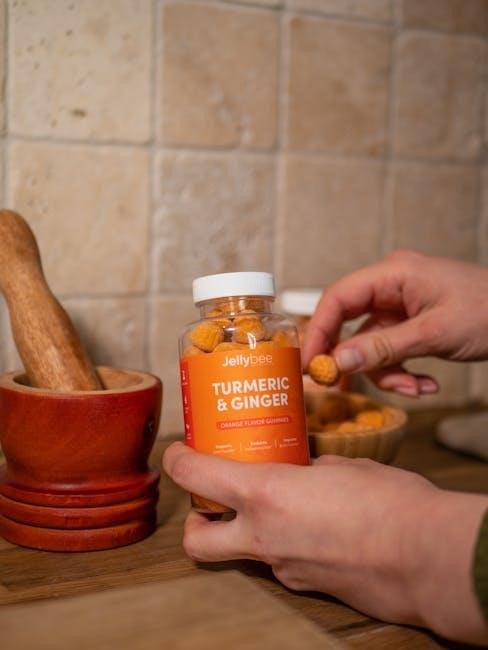
Key Anti-Inflammatory Foods: A Comprehensive List
Explore a diverse range of foods! A helpful anti-inflammatory foods list PDF highlights berries, sweet potatoes, oats, and leafy greens as key components for reducing inflammation․
Berries: Powerhouses of Antioxidants
Berries consistently rank high on any anti-inflammatory foods list PDF, and for excellent reason․ These vibrant fruits are brimming with antioxidants, particularly anthocyanins, which combat free radicals and reduce inflammation throughout the body․

From strawberries and blueberries to raspberries and blackberries, each variety offers a unique profile of beneficial compounds․ These compounds help neutralize damaging molecules, protecting cells from oxidative stress – a major driver of chronic inflammation․
Incorporating berries into your diet is remarkably simple․ Enjoy them as a morning snack, add them to smoothies, sprinkle them over yogurt, or include them in salads․ The anti-inflammatory benefits are substantial, making berries a delicious and effective addition to a health-conscious lifestyle․ Prioritizing these fruits is a straightforward step towards managing inflammation and promoting overall well-being, as detailed in many downloadable resources․
Sweet Potatoes: Beta-Carotene & Vitamin C
Frequently featured on an anti-inflammatory foods list PDF, sweet potatoes are nutritional powerhouses offering a dual benefit: abundant beta-carotene and significant Vitamin C content․ Beta-carotene, a type of carotenoid, is converted into Vitamin A in the body, known for its potent antioxidant properties․
Vitamin C further enhances the antioxidant defense system, protecting cells from damage caused by free radicals and reducing inflammatory responses․ Unlike white potatoes, sweet potatoes boast a lower glycemic index, preventing rapid blood sugar spikes that can contribute to inflammation․
Enjoy sweet potatoes roasted, mashed, or even as fries (baked, of course!)․ Their naturally sweet flavor makes them a versatile and satisfying addition to any meal․ Regularly including sweet potatoes in your diet, as suggested by various downloadable guides, is a delicious and effective strategy for combating inflammation and supporting overall health․
Oats: Soluble Fiber for Gut Health
Oats consistently appear on any comprehensive anti-inflammatory foods list PDF due to their remarkable soluble fiber content, specifically beta-glucan․ This fiber plays a crucial role in fostering a healthy gut microbiome, a cornerstone of immune function and inflammation control․ A thriving gut microbiome helps regulate the immune system, reducing the likelihood of chronic inflammation․
Beta-glucan also helps lower LDL cholesterol levels, further contributing to cardiovascular health․ Choosing steel-cut or rolled oats over instant varieties maximizes fiber intake and minimizes added sugars․ Incorporate oats into your breakfast with fruit and nuts, or use them in baking for a nutritious boost․
Prioritizing gut health through fiber-rich foods like oats, as highlighted in downloadable resources, is a proactive step towards reducing systemic inflammation and promoting long-term well-being․ They are a simple, affordable, and versatile addition to an anti-inflammatory lifestyle․
Whole Grains: Choosing the Right Options
When consulting an anti-inflammatory foods list PDF, whole grains are often recommended, but discernment is key․ Not all grains are created equal! Prioritize truly whole grains – those containing all three parts of the kernel: the bran, germ, and endosperm․ This ensures a higher fiber content and a broader spectrum of nutrients compared to refined grains․
Excellent choices include quinoa, brown rice, and whole wheat․ However, be mindful of potential sensitivities․ Some individuals may find even whole wheat triggers inflammation․ Explore alternatives like buckwheat or millet․ Always check ingredient lists to avoid hidden refined flours or added sugars․
The 30-Day Reset Autoimmune Diet emphasizes careful grain selection․ Opting for whole, unprocessed grains supports gut health and provides sustained energy, contributing to a reduction in inflammatory markers․ Careful selection is vital for maximizing benefits․
Green Leafy Vegetables: Nutrient Density
An anti-inflammatory foods list PDF consistently highlights green leafy vegetables as cornerstones of a healing diet․ These nutritional powerhouses are packed with vitamins, minerals, and antioxidants – crucial for combating inflammation․ Spinach, kale, collard greens, and romaine lettuce are excellent choices, offering a wealth of benefits․
Their high concentration of vitamins A, C, and K, alongside folate and magnesium, supports immune function and reduces oxidative stress․ These nutrients work synergistically to neutralize free radicals, key contributors to inflammation․ Regularly incorporating these vegetables into your meals is a simple yet powerful step․
Resources like the Autoimmune Diet Reset emphasize their importance․ Prioritizing nutrient density through abundant green leafy vegetables is a foundational principle for reducing chronic inflammation and promoting overall well-being․ They are truly essential!
Fatty Fish: Omega-3 Fatty Acids
The anti-inflammatory foods list PDF prominently features fatty fish due to their rich omega-3 fatty acid content․ Salmon, mackerel, tuna, sardines, and anchovies are exceptional sources of these essential fats, vital for reducing inflammation throughout the body․ Omega-3s, specifically EPA and DHA, are converted into resolvins and protectins․
These compounds actively work to resolve inflammation, unlike omega-6 fatty acids which can promote it․ Regularly consuming fatty fish helps lower levels of inflammatory markers, supporting cardiovascular health, brain function, and joint comfort․ The anti-inflammatory diet prioritizes these beneficial fats․
Resources emphasize that aiming for at least two servings per week is ideal․ Incorporating fatty fish is a delicious and effective strategy for managing chronic inflammation and improving overall health, as highlighted in various dietary guides․
Tomatoes: Lycopene’s Benefits
The anti-inflammatory foods list PDF consistently includes tomatoes, celebrated for their high lycopene content․ Lycopene is a powerful antioxidant that combats inflammation by neutralizing free radicals, protecting cells from damage․ Cooked tomatoes, like those found in sauces and soups, actually increase lycopene bioavailability, making it easier for the body to absorb․
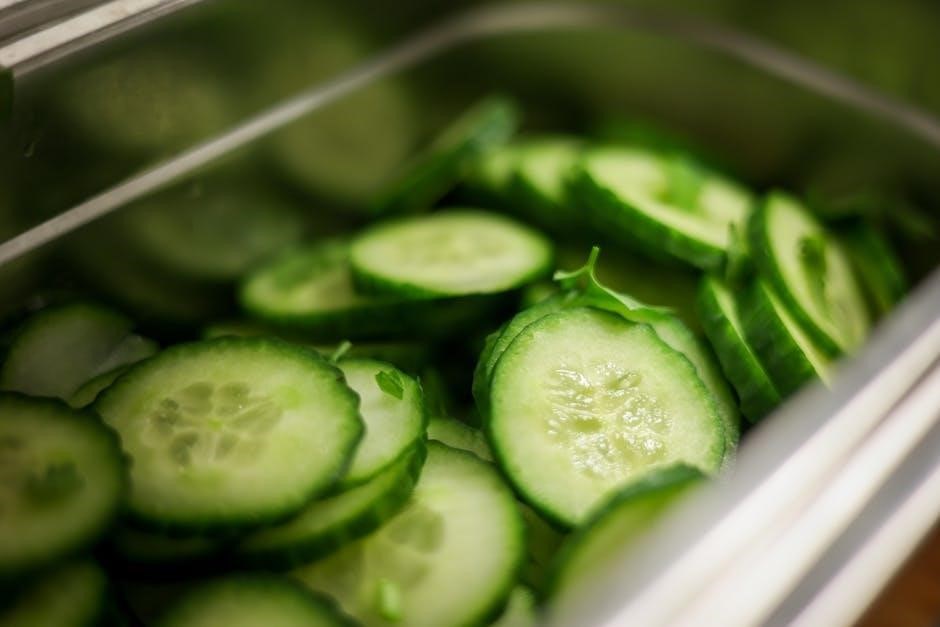
This potent compound has been linked to reduced risk of several chronic diseases, including heart disease and certain cancers․ Beyond lycopene, tomatoes also provide vitamin C and other beneficial nutrients that contribute to overall health․ Integrating tomatoes into your diet is a flavorful way to support your body’s natural defenses․
The anti-inflammatory diet emphasizes plant-based foods, and tomatoes are a prime example of a readily available and versatile option․ They are a cornerstone of many healthy recipes and contribute significantly to reducing inflammation․
Nuts and Seeds: Healthy Fats & Minerals
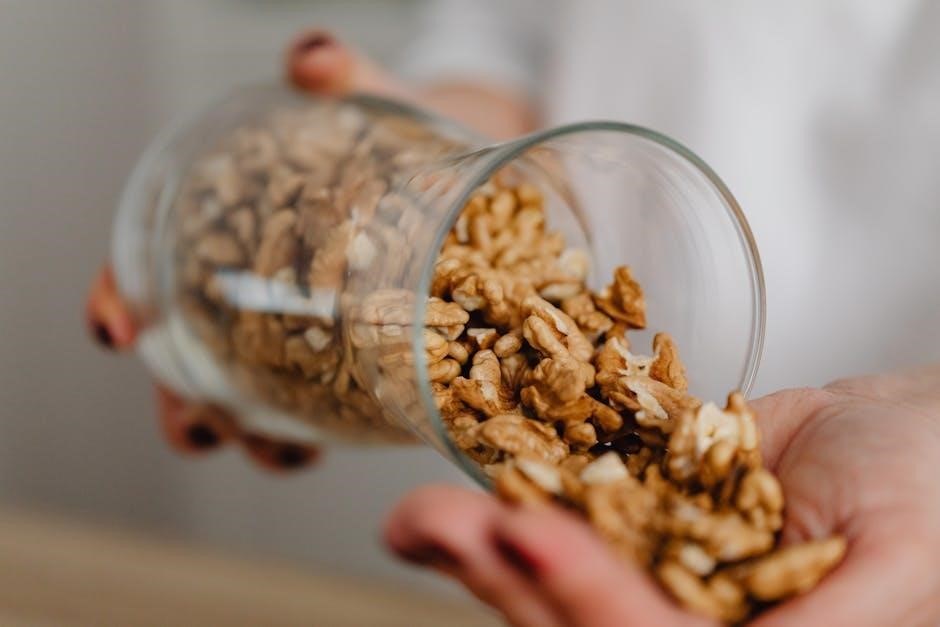
A comprehensive anti-inflammatory foods list PDF invariably features nuts and seeds as essential components․ These nutritional powerhouses are rich in healthy fats, particularly omega-3 fatty acids, which are known for their potent anti-inflammatory properties․ Walnuts, flaxseeds, and chia seeds are especially beneficial due to their high ALA content, a type of omega-3․
Beyond healthy fats, nuts and seeds deliver a wealth of vitamins and minerals, including vitamin E, magnesium, and selenium, all contributing to reduced inflammation and improved overall health․ They also provide fiber, supporting gut health – a crucial factor in managing inflammation․
Incorporating a handful of nuts or seeds into your daily routine is a simple yet effective way to bolster your anti-inflammatory efforts․ They are a convenient snack and versatile addition to meals․
Olive Oil: Monounsaturated Fats
Any thorough anti-inflammatory foods list PDF will prominently feature olive oil, particularly extra virgin olive oil (EVOO)․ Its remarkable health benefits stem from its high concentration of monounsaturated fats, notably oleic acid, which possesses significant anti-inflammatory capabilities․ EVOO also contains oleocanthal, a natural compound with similar properties to ibuprofen, offering a natural pain relief option․
Choosing high-quality EVOO is crucial, as processing can diminish its beneficial compounds․ Look for cold-pressed varieties to ensure maximum nutrient retention․ Incorporating olive oil into your diet is remarkably versatile – use it for salad dressings, drizzling over vegetables, or light sautéing․
Regular consumption of olive oil, as part of an anti-inflammatory diet, can contribute to reduced risk of chronic diseases and improved overall well-being․ It’s a cornerstone of the Mediterranean diet, renowned for its health-promoting effects․
Fruits: Beyond Berries ― Apples, Oranges, etc․
While berries often take center stage on an anti-inflammatory foods list PDF, a wide array of other fruits contribute significantly to reducing inflammation․ Apples, rich in quercetin, an antioxidant with potent anti-inflammatory effects, are a fantastic addition․ Oranges, packed with Vitamin C, bolster the immune system and combat oxidative stress․
Don’t overlook fruits like cherries, particularly tart cherries, which contain anthocyanins – compounds known to alleviate muscle soreness and reduce inflammation․ Pomegranates, with their unique antioxidant profile, also offer substantial benefits․
Variety is key! Incorporating a colorful spectrum of fruits ensures a diverse intake of vitamins, minerals, and antioxidants․ Remember to consume whole fruits rather than juices, to maximize fiber intake and minimize sugar consumption, supporting gut health and overall inflammation management․
Foods to Avoid: Inflammatory Triggers
An anti-inflammatory foods list PDF also highlights what not to eat! Processed foods, sugary drinks, red meat, and refined carbs can worsen inflammation․
Limit fried foods, prioritizing whole, unprocessed options for optimal health and reduced inflammatory responses․
Processed Foods: The Impact of Additives
Navigating an anti-inflammatory foods list PDF requires understanding the detrimental effects of processed foods․ These items are often laden with additives, artificial ingredients, and unhealthy fats, all contributing to systemic inflammation within the body․
The convenience of processed foods comes at a cost․ They frequently lack the vital nutrients found in whole, unprocessed alternatives, offering empty calories instead․ These empty calories disrupt the body’s natural balance, triggering an inflammatory response as the immune system attempts to deal with unfamiliar substances․
Specifically, trans fats, high-fructose corn syrup, and artificial sweeteners – common in processed foods – are known inflammatory culprits․ Even seemingly harmless additives can contribute to gut dysbiosis, further exacerbating inflammation․ Prioritizing whole, real foods, as outlined in a comprehensive anti-inflammatory diet, is crucial for minimizing this impact and supporting overall health․ Reducing reliance on processed options is a key step towards managing inflammation effectively․
Sugary Drinks: A Major Inflammatory Source
When consulting an anti-inflammatory foods list PDF, eliminating sugary drinks is paramount․ These beverages represent a significant and often overlooked source of inflammation, rapidly elevating blood sugar levels and triggering an immune response․
Unlike the sustained energy provided by whole fruits, sugary drinks offer a quick burst followed by a crash, leading to insulin resistance and chronic inflammation․ High-fructose corn syrup, a common ingredient in sodas and juices, is particularly problematic, as the liver processes it differently than glucose, promoting fat storage and inflammation․
This inflammatory cascade extends beyond metabolic effects, impacting various bodily systems․ Choosing water, herbal teas, or naturally flavored sparkling water instead is a simple yet powerful step towards reducing inflammation․ A commitment to hydration with anti-inflammatory beverages supports overall well-being and complements the principles outlined in a targeted dietary approach․
Red Meat: Moderation is Key
Reviewing an anti-inflammatory foods list PDF reveals that red meat isn’t necessarily forbidden, but moderation is crucial․ While providing essential nutrients like iron and protein, excessive consumption can contribute to inflammation due to its high content of saturated fats and a compound called Neu5Gc․
Neu5Gc triggers an immune response in humans, as our bodies don’t naturally produce it․ This response can lead to chronic inflammation over time․ The type of red meat also matters; processed meats like bacon and sausage are particularly inflammatory due to added nitrates and preservatives․
Opting for leaner cuts, grass-fed options (which have a more favorable fatty acid profile), and limiting portion sizes can mitigate the inflammatory effects․ Prioritizing fish, poultry, and plant-based protein sources aligns better with an anti-inflammatory dietary pattern․ Balancing red meat intake with a diverse range of anti-inflammatory foods is key․
Refined Carbohydrates: White Bread, Pasta, etc․
An anti-inflammatory foods list PDF consistently highlights refined carbohydrates – white bread, pasta, pastries, and sugary cereals – as significant inflammatory triggers․ These foods undergo processing that strips away beneficial fiber, vitamins, and minerals, leaving behind quickly digested sugars․
This rapid digestion causes spikes in blood sugar, prompting the body to release inflammatory messengers․ Frequent blood sugar fluctuations contribute to chronic, low-grade inflammation, increasing the risk of various health issues․ The glycemic index (GI) is a useful tool; higher GI foods are more inflammatory․
Instead, prioritize whole grains like oats and quinoa, which offer sustained energy release and fiber․ Swapping refined carbs for non-starchy vegetables provides essential nutrients without the inflammatory spike․ Making informed carbohydrate choices is a cornerstone of an anti-inflammatory diet․
Fried Foods: Trans Fats & Inflammation
An anti-inflammatory foods list PDF universally flags fried foods as detrimental due to their high content of trans fats and advanced glycation end products (AGEs)․ The frying process, particularly at high temperatures, creates these harmful compounds․
Trans fats are notorious for promoting systemic inflammation, contributing to heart disease, insulin resistance, and other chronic conditions․ AGEs further exacerbate inflammation by damaging proteins and lipids within the body․ Regularly consuming fried foods disrupts the delicate balance needed for optimal health․
Opt for healthier cooking methods like baking, grilling, steaming, or sautéing with olive oil․ Prioritize fresh, whole foods prepared at home to control ingredients and minimize exposure to inflammatory fats․ Reducing fried food intake is a crucial step towards an anti-inflammatory lifestyle․

Creating an Anti-Inflammatory Meal Plan
Utilize an anti-inflammatory foods list PDF to build meals! Focus on breakfast ideas, lunch options, and dinner recipes rich in berries, fish, and leafy greens․
Sample Breakfast Ideas
Kickstart your day with inflammation-fighting breakfasts! Referencing an anti-inflammatory foods list PDF, consider overnight oats with berries and a sprinkle of nuts – a fantastic source of soluble fiber and antioxidants․
Another excellent option is a smoothie blending spinach, banana, and a handful of seeds․ For a more substantial meal, try scrambled eggs with sautéed spinach and sweet potatoes․ Remember, incorporating whole grains like oatmeal is beneficial, but always check the ingredients to avoid added sugars․
A simple fruit salad featuring apples, oranges, and a small portion of berries provides a vitamin C boost․ Avoid processed breakfast cereals and sugary pastries, as these contribute to inflammation․ Prioritize whole, unprocessed foods based on your chosen anti-inflammatory food list for optimal results․ These choices set a positive tone for the day, supporting overall well-being․
Lunch Options for Reduced Inflammation
Fuel your afternoon with lunches designed to combat inflammation! Utilizing your anti-inflammatory foods list PDF, a large salad featuring mixed green leafy vegetables, grilled fatty fish (like salmon), and a drizzle of olive oil is an excellent choice․ Add some berries for an antioxidant boost;
Another option is a hearty vegetable soup packed with tomatoes, sweet potatoes, and whole grains․ Consider a whole-grain wrap filled with hummus, avocado, and sliced turkey – ensuring the wrap itself is made with wholesome ingredients․
Avoid processed lunch meats, white bread sandwiches, and sugary drinks․ Focus on lean proteins, healthy fats, and plenty of colorful vegetables․ Remember to check labels and prioritize whole, unprocessed foods․ A mindful lunch, guided by your anti-inflammatory food list, will keep you energized and support your health goals throughout the day․
Dinner Recipes Focusing on Anti-Inflammatory Ingredients
Transform your evenings with dinners centered around inflammation-fighting foods! Referencing your anti-inflammatory foods list PDF, baked salmon with roasted sweet potatoes and steamed green leafy vegetables creates a nutrient-rich meal․ Season with olive oil and herbs for added flavor․
Alternatively, a lentil soup brimming with tomatoes, carrots, and spinach offers a plant-based, fiber-rich option․ Stir-fries featuring fatty fish or lean protein, alongside a colorful array of vegetables, are quick and easy․
Minimize red meat consumption and avoid fried foods․ Prioritize whole grains like quinoa or brown rice over refined carbohydrates․ Remember, consistent use of your anti-inflammatory food list will guide your choices․ A delicious and health-conscious dinner is achievable with mindful ingredient selection, supporting long-term well-being․
Resources & Further Information
Access a free printable anti-inflammatory foods list PDF and explore the 30-Day Autoimmune Diet Reset for comprehensive guidance․ Discover how to navigate dining out!
Finding a Printable Anti-Inflammatory Foods List PDF
Locating a readily available anti-inflammatory foods list PDF is a fantastic first step towards adopting a more health-conscious diet․ Numerous online resources offer these convenient downloads, providing a quick reference guide for grocery shopping and meal planning․
These PDFs typically categorize foods based on their inflammatory properties, clearly outlining which items to embrace and which to limit or avoid․ You’ll often find lists divided into sections like “Foods to Enjoy Regularly” featuring berries, leafy greens, and fatty fish, and “Foods to Minimize” including processed foods and sugary drinks․
Many websites dedicated to autoimmune protocols, like those offering the 30-Day Reset, also provide downloadable lists as part of their resources․ Searching for “anti-inflammatory diet food list PDF” will yield a variety of options․ Remember to choose reputable sources to ensure the information is accurate and evidence-based․ Having a printed copy readily available can significantly simplify your journey towards reducing inflammation through diet․
Autoimmune Diet Reset Food Lists
The 30-Day Autoimmune Diet Reset utilizes specific food lists to help identify potential sensitivities and reduce inflammation․ These lists are more restrictive than a general anti-inflammatory diet, aiming to “reset” the immune system․ A key component is a downloadable anti-inflammatory food list PDF outlining allowed foods․
Typically, the reset involves an elimination phase where common inflammatory triggers – grains, legumes, nightshades, dairy, eggs, nuts, and seeds – are removed․ The PDF will detail what can be consumed, focusing on nutrient-dense options like vegetables, fruits (especially berries), and certain meats․
Following the elimination phase, foods are reintroduced one by one to monitor for reactions․ The AutoimmuneDiet30DayResetFoodList PDF provides a structured approach, categorizing foods for easy reintroduction․ It’s crucial to meticulously track symptoms during this process․ These lists aren’t intended for long-term adherence but as a diagnostic tool to pinpoint individual sensitivities and build a personalized, anti-inflammatory eating plan․

Eating Out on an Anti-Inflammatory Diet
Navigating restaurant menus while following an anti-inflammatory approach requires planning, but it’s entirely achievable․ Utilizing an anti-inflammatory food list PDF beforehand can help you pre-select suitable options and identify potential problem ingredients․ Focus on establishments offering fresh, whole foods․
Prioritize grilled or baked fish and lean proteins, accompanied by generous servings of vegetables․ Request modifications – ask for olive oil instead of butter, or steamed instead of fried․ Be mindful of hidden inflammatory ingredients like processed oils, sugars, and additives in sauces and dressings․
Even fast-food restaurants can accommodate simple requests like a side salad with grilled chicken․ Don’t hesitate to ask about ingredients or preparation methods․ Remember, it’s about making informed choices and prioritizing foods that support your health, even when dining outside the home․ A little preparation goes a long way!
Chronic Inflammation and Disease Risk
Uncontrolled, long-term inflammation – chronic inflammation – significantly elevates the risk of numerous health conditions․ Research consistently demonstrates a strong link between persistent inflammation and increased susceptibility to diseases like heart disease, type 2 diabetes, and certain cancers․
Utilizing an anti-inflammatory food list PDF as a guide can be a proactive step in mitigating these risks․ By prioritizing foods rich in antioxidants and omega-3 fatty acids, you can help regulate the inflammatory response within your body․
This dietary approach isn’t merely a short-term fix; it’s a lifestyle change focused on supporting overall health and well-being․ Reducing inflammatory triggers through diet, alongside other healthy habits, can contribute to a lower risk profile for chronic diseases and improved quality of life․ Prioritize preventative measures!