
Suntuf Installation Guide: A Comprehensive Overview (Updated 03/05/2026)
This guide details installing Suntuf corrugated roofing, ideal for decks and carports. Utilizing 26” x 8’ solar gray panels, this resource simplifies a straightforward installation process.
Suntuf corrugated roofing represents a durable and lightweight solution for a variety of roofing needs. Constructed from polycarbonate, these panels offer excellent light transmission while providing robust protection from the elements. Commonly used for carports, patios, and agricultural structures, Suntuf’s popularity stems from its ease of installation and cost-effectiveness.
Available in various colors, including the popular solar gray, Suntuf panels are designed to withstand significant weather challenges. Their corrugated profile enhances strength and allows for efficient water runoff. This guide will walk you through the entire installation process, from preparing the roof structure to securing the final panels, ensuring a watertight and long-lasting result. We will focus on the 26” x 8’ panel size as a common example.
Suntuf Material Properties & Benefits

Suntuf polycarbonate panels boast exceptional material properties, making them a superior roofing choice. Polycarbonate offers high impact resistance – significantly stronger than fiberglass or PVC – ensuring durability against hail and debris. Its lightweight nature simplifies handling and reduces structural load on your building.

Furthermore, Suntuf provides excellent light diffusion, creating a bright and comfortable space underneath. The solar gray color minimizes glare while still allowing substantial natural light. UV protection is integrated into the material, preventing yellowing and degradation from sun exposure. These panels are also inherently fire-resistant and offer good thermal insulation, contributing to energy efficiency and long-term cost savings.
Tools and Materials Required for Installation
Successful Suntuf installation demands specific tools and materials. You’ll need a measuring tape, pencil, and chalk line for accurate marking. Cutting tools are essential – a circular saw with a fine-tooth blade or a specialized polycarbonate cutter are recommended. A drill/driver is crucial for fastening, alongside appropriate drill bits.
Essential materials include Suntuf corrugated panels, screws with neoprene washers (specifically designed for polycarbonate), and ridge caps for a finished roofline. Safety equipment – gloves, safety glasses, and a hard hat – are non-negotiable. Consider a ladder or scaffolding for safe access to the roof. Having sealant on hand for flashing around penetrations is also advisable.
Safety Equipment
Prioritizing safety during Suntuf installation is paramount. Safety glasses are crucial to protect your eyes from flying debris generated during cutting. Gloves will shield your hands from sharp panel edges and potential irritation. A hard hat is essential, especially when working at heights, to guard against falling objects.
Proper footwear with good grip is vital for secure footing on the roof. A safety harness and lifeline are strongly recommended for steep slopes or extended work periods. Ensure your ladder is stable and correctly positioned. Always be mindful of power lines and weather conditions, postponing work during storms.
Cutting Tools
Selecting the right cutting tools ensures clean, efficient Suntuf panel modifications. A circular saw with a fine-tooth blade designed for plastics is highly recommended for straight cuts. Alternatively, a utility knife with fresh blades can be used for scoring and snapping, though this requires more effort and precision.
Tin snips are useful for smaller adjustments and trimming. Always use a straight edge as a guide for accurate cuts. Remember to cut slowly to prevent cracking or chipping. Safety glasses are essential when using any cutting tool, protecting against flying debris. Deburr edges after cutting for a professional finish.
Fastening Systems (Screws, Washers)
Proper fastening is crucial for a secure and watertight Suntuf roof. Use self-drilling screws specifically designed for polycarbonate roofing; these minimize cracking. The screw length must adequately penetrate the roof structure, typically at least 1 inch. Neoprene washers are essential under the screw heads to create a watertight seal, preventing leaks.
Avoid over-tightening screws, as this can deform the panels. Consider using EPDM washers for enhanced sealing in harsh climates. Stainless steel screws are recommended for longevity and corrosion resistance. Ensure screws are evenly spaced according to the manufacturer’s guidelines for optimal panel stability.
Preparing the Roof Structure
Adequate roof preparation is paramount for a successful Suntuf installation. Begin by inspecting the existing structure for any signs of rot, damage, or weakness. Repair or replace compromised sections before proceeding. Ensure the roof deck is clean, dry, and free of debris.
Confirm the structural integrity can support the added weight of the Suntuf panels and anticipated loads (snow, wind). Proper preparation includes verifying appropriate rafter spacing and ensuring a sufficient slope for effective water drainage. A well-prepared structure guarantees longevity and performance of your new Suntuf roof.
Rafter Spacing Requirements
Optimal Suntuf panel support relies on correct rafter spacing. Generally, a maximum rafter spacing of 24 inches on center is recommended for standard Suntuf corrugated roofing. However, local building codes may dictate stricter requirements, so always verify compliance.
For areas with heavy snow loads or high wind exposure, reducing the rafter spacing to 16 inches on center provides enhanced structural support. Insufficient spacing can lead to panel deflection, stress, and potential failure. Proper spacing ensures the Suntuf panels remain securely fastened and maintain their integrity over time, maximizing the roof’s lifespan.
Ensuring Proper Slope for Drainage
Effective water runoff is crucial for a long-lasting Suntuf roof. A minimum roof slope of 3:12 (3 inches of rise for every 12 inches of run) is generally recommended. Steeper slopes enhance drainage, preventing water pooling and potential leaks.
Lower slopes may be acceptable with adequate waterproofing measures, but are not advised. Ensure consistent slope across the entire roof surface to avoid localized ponding. Proper slope directs water away from seams and penetrations, minimizing the risk of water damage. Regular inspection and maintenance of the drainage system are also vital.
Measuring and Cutting Suntuf Panels
Accurate measurements are essential for a professional Suntuf installation. Begin by precisely measuring the roof length and width, accounting for any overhangs. Transfer these measurements onto the Suntuf panels, using a marker for clear lines.
When cutting, utilize appropriate tools – circular saws with fine-tooth blades or specialized polycarbonate cutters are recommended. Cut slowly and steadily to prevent cracking or chipping. Always cut on the UV-protected side to maintain warranty validity. Remember to account for overlaps, typically one corrugation, when determining panel lengths. Deburr edges after cutting for safe handling.
Installing the First Suntuf Panel
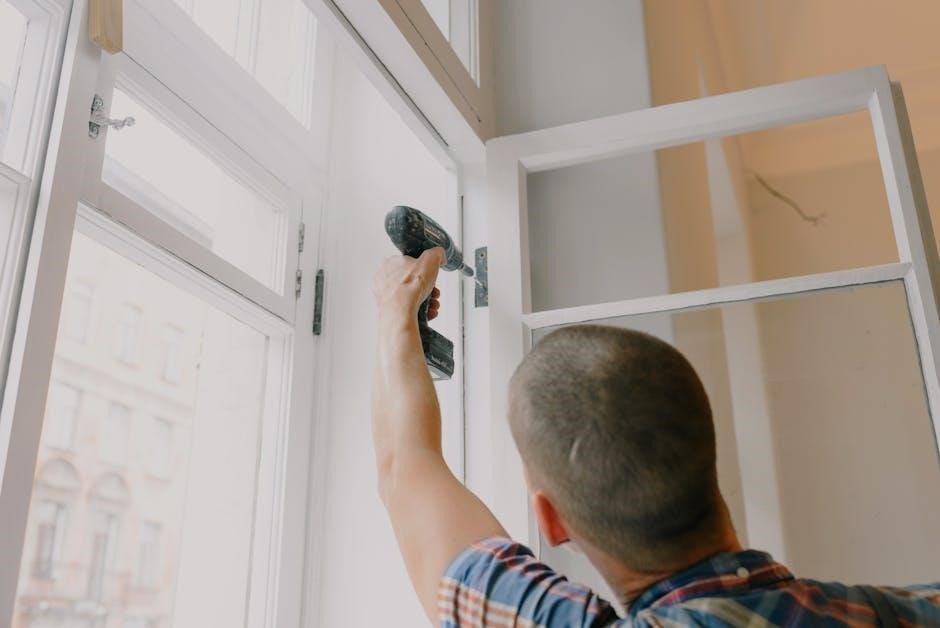
Begin installation at the lowest edge of the roof, working upwards. Carefully position the first Suntuf panel, ensuring it’s square and aligned with the roof’s edge. Allow for the correct overhang, typically around 1-2 inches, for effective water runoff.
Pre-drill holes through the panel’s pre-marked screw locations. This prevents cracking during fastening. Use appropriate washers designed for corrugated roofing to create a watertight seal. Secure the panel loosely with screws, allowing for adjustments as you install subsequent panels. Double-check alignment before fully tightening the fasteners.
Overlapping and Aligning Subsequent Panels
Subsequent Suntuf panels should overlap the previous one by at least one corrugation – typically one full ripple. This overlap is crucial for preventing water ingress and maintaining a watertight roof. Carefully align each new panel with the one below, ensuring consistent spacing and a straight, even roofline.
Slightly loosen the screws from the previously installed panel to allow for expansion and contraction. Pre-drill and loosely fasten the new panel, checking alignment frequently. Avoid over-tightening at this stage; final tightening occurs after all panels are installed. Consistent overlap and alignment are key to a durable, leak-proof Suntuf roof.
Fastening Suntuf Panels to the Roof Structure
Securely fastening Suntuf panels is vital for withstanding wind and weather. Use appropriate screws designed for polycarbonate roofing, ensuring they penetrate the roof structure sufficiently. Pre-drilling pilot holes is recommended to prevent cracking the panels. Fasten panels at every high point of the corrugation for optimal support.
Avoid over-tightening screws, as this can crush the material and compromise its integrity. Utilize washers to distribute the load and create a watertight seal. Proper fastening ensures the longevity and performance of your Suntuf roof, protecting your property from the elements.
Correct Screw Placement – Avoiding Stress Points
Strategic screw placement is crucial to prevent stress fractures in Suntuf panels. Focus on fastening at the high points of each corrugation wave, providing maximum support. Avoid placing screws too close to the panel edges, as this area is most susceptible to stress. Maintain a consistent spacing pattern along each rafter, typically 24-36 inches apart, depending on local wind load requirements.
Stagger screw lines between adjacent panels to distribute the load evenly. Incorrect placement can lead to bowing, cracking, or even panel failure. Prioritize a secure and balanced fastening system for a durable and long-lasting Suntuf roof.
Using Appropriate Washers for a Watertight Seal
Employing the correct washers is paramount for a truly watertight Suntuf installation. Utilize neoprene washers specifically designed for corrugated polycarbonate roofing; these create a compression seal around the screw hole, preventing water ingress. Avoid using standard flat washers, as they lack the necessary sealing properties.
Ensure the washer is seated correctly – the rubber portion should fully compress against the panel surface. Inspect washers for damage before installation, replacing any that are cracked or deteriorated. Proper washer selection and installation are vital to safeguarding against leaks and maintaining the integrity of your Suntuf roof.
Ridge Cap Installation
Securing the ridge cap is crucial for weather protection and structural integrity. Begin by overlapping the ridge cap panels over the topmost Suntuf sheets, ensuring a consistent overhang on both sides. Pre-drill holes through the ridge cap and into the underlying rafters, preventing cracking.
Utilize dedicated ridge cap fasteners with neoprene washers for a watertight seal. Space fasteners evenly along the ridge cap’s length, typically every 12-18 inches. Properly installed ridge caps effectively prevent water penetration at the roof’s peak, enhancing the overall durability and longevity of your Suntuf roofing system.
Eave Details and Finishing
Proper eave detailing is vital for directing water away from the structure and preventing damage. Install drip edges along the eaves to facilitate clean water runoff. Ensure adequate overhang, typically 2-4 inches, to protect walls from splashing.
Seal the eave edges with appropriate flashing to prevent water intrusion. Consider using soffit vents to promote airflow and prevent moisture buildup within the roof cavity. Neatly trim any excess Suntuf at the eaves for a clean, professional finish. Securely fasten all eave components for long-lasting performance.
Dealing with Panel Ends and Overhangs
Managing panel ends and overhangs is crucial for a weather-tight and aesthetically pleasing Suntuf roof. Allow for a slight overhang at the gable ends, typically 1-2 inches, to prevent water from running directly down the side of the structure. Seal the gable ends with end caps or appropriate flashing to prevent water penetration.
Trim panels cleanly using the recommended cutting tools to ensure a neat finish. Avoid excessive overhangs, as they can be susceptible to wind uplift. Securely fasten end caps and flashing to withstand weather conditions. Consider using sealant for added protection against leaks.
Flashing Around Penetrations (Pipes, Vents)
Proper flashing is essential when installing Suntuf around roof penetrations like pipes and vents, preventing leaks and maintaining roof integrity. Utilize pre-fabricated flashing kits designed for corrugated roofing, or create custom flashing from compatible materials. Ensure the flashing extends sufficiently onto the Suntuf panels – at least 6 inches – and is sealed with a weatherproof sealant.
Carefully cut the Suntuf panel to accommodate the penetration, leaving enough space for the flashing to overlap. Securely fasten the flashing using appropriate screws and washers, ensuring a watertight seal. Regularly inspect flashing for damage or deterioration, and promptly repair or replace as needed.
Suntuf Installation in Different Climates
Suntuf’s performance varies with climate, requiring adjustments during installation. In high-wind areas, increase screw density and utilize specialized wind-resistant fasteners to prevent panel lift. Consider panel orientation to minimize wind resistance. For regions with heavy snowfall, ensure the roof structure can support the added load; reinforce rafters if necessary.
Proper roof slope is crucial for effective water runoff in all climates. In colder regions, prevent ice damming with adequate insulation and ventilation. UV exposure can affect Suntuf over time, so select panels with UV protection appropriate for your location.
Considerations for High Wind Areas
Installing Suntuf in high-wind zones demands meticulous attention to detail. Increase screw density along panel edges and at overlaps – a minimum of two screws per corrugation is recommended. Utilize specialized wind-resistant screws designed to withstand uplift forces; these often feature a larger head and deeper thread.
Panel orientation matters; position panels with the corrugations running perpendicular to the prevailing wind direction. Ensure proper sealing around all fasteners with appropriate washers. Inspect the roof structure for adequate bracing and reinforcement before installation. Consider wind load calculations to determine the necessary fastening requirements for your specific location.
Snow Load Considerations
Suntuf’s ability to handle snow loads depends heavily on proper installation and roof pitch. Steeper roof slopes facilitate snow shedding, reducing accumulation and stress on the panels. Ensure adequate rafter support; consult local building codes for snow load requirements in your area. Increase screw density, particularly along the lower sections of the roof, to resist downward pressure.
Avoid snow accumulation at panel overlaps by ensuring correct installation and sufficient overlap. Consider reinforcing the roof deck with additional bracing if expected snow loads are substantial. Regular snow removal, when safe, can prevent excessive weight buildup and potential damage.
Common Installation Mistakes to Avoid
Incorrect rafter spacing is a frequent error, leading to panel deflection and potential failure. Insufficient overlap between panels compromises watertightness, causing leaks. Over-tightening screws can crush the Suntuf material, while under-tightening allows movement and water ingress. Improper screw placement near panel edges creates stress points.
Failing to use appropriate washers results in leaks around fasteners. Cutting panels incorrectly, leaving jagged edges, hinders proper alignment and sealing. Ignoring roof slope requirements impacts drainage and snow shedding. Neglecting flashing around penetrations invites water damage. Always double-check measurements and follow installation guidelines meticulously.
Suntuf Panel Maintenance and Cleaning
Regular cleaning preserves Suntuf’s transparency and longevity. Use a mild detergent and water solution, applying with a soft cloth or brush. Avoid abrasive cleaners, solvents, or high-pressure washers, as these can damage the polycarbonate surface. Inspect panels annually for cracks, discoloration, or loose fasteners.
Remove debris like leaves and branches to ensure proper drainage. Check flashing around penetrations for deterioration and reseal as needed. Address any panel discoloration promptly, as it may indicate UV degradation. Minor scratches generally don’t affect performance, but significant damage requires panel replacement. Preventative maintenance extends the lifespan of your Suntuf roof.
Troubleshooting Common Issues
Leaks often stem from improper installation – check fastener tightness and washer seals. Inspect overlapping panels for gaps and ensure correct alignment. Water damage requires immediate attention; replace affected panels and address the source of the leak. Panel discoloration indicates UV exposure; while cosmetic, severe fading suggests material degradation.
Brittleness can occur with age or improper handling. Cracked panels must be replaced. Condensation inside panels is normal but indicates insufficient ventilation. Ensure proper roof slope for drainage. Regular inspections help identify issues early. Addressing problems promptly prevents further damage and maintains roof integrity.
Leaks and Water Damage
Leaks are frequently caused by incorrectly installed fasteners, lacking proper sealing washers, or insufficient panel overlap. Thoroughly inspect screw placement, ensuring they penetrate the roof structure adequately. Check for damaged or missing washers, replacing them immediately with appropriate neoprene or rubber varieties. Water stains on the underside of the Suntuf panels indicate a breach in the waterproof barrier.
Address leaks promptly to prevent structural damage and mold growth. Re-seal around penetrations like pipes and vents with appropriate flashing. Ensure proper roof slope facilitates water runoff. Inspect panel seams during heavy rainfall to pinpoint the leak’s origin. Consider applying a sealant specifically designed for polycarbonate roofing.

Panel Discoloration or Brittleness
Prolonged UV exposure can cause Suntuf panels to yellow or become brittle, diminishing their structural integrity and light transmission. While Suntuf offers UV protection, intense sunlight over many years can still lead to degradation. Discoloration is often a cosmetic issue, but brittleness poses a safety risk. Regular cleaning with mild soap and water can help mitigate UV effects.
Inspect panels annually for signs of damage, particularly cracking or loss of flexibility. Consider applying a UV protectant coating specifically formulated for polycarbonate. Ensure adequate ventilation beneath the panels to prevent heat buildup. Replace severely discolored or brittle panels to maintain roof safety and performance.
Suntuf Warranty Information
Suntuf typically offers a limited lifetime warranty against manufacturing defects, covering issues like yellowing, loss of light transmission, and hail breakage. However, the warranty’s validity depends on proper installation, adhering strictly to manufacturer guidelines. Improper screw placement, insufficient support, or inadequate ventilation can void the warranty.
Keep detailed records of the installation, including photos and receipts. Register your product promptly after installation to activate the warranty. Warranty claims usually require proof of purchase and a site inspection. Review the full warranty document available on the Suntuf website for specific terms and conditions.
Suntuf Panel Color Options & Aesthetics
Suntuf panels are available in a range of colors, with Solar Gray being a popular choice for its heat-reflective properties and modern aesthetic. Other options include clear, white, and various tinted shades, allowing for design flexibility. Color selection impacts light transmission and interior brightness; clear panels maximize light, while darker shades offer more shade.
The corrugated profile of Suntuf adds a textured visual element. Consider how the panel color complements the building’s existing architecture. Lighter colors can make structures appear larger, while darker colors provide a bolder statement. Suntuf’s aesthetic appeal blends functionality with visual design.
Suntuf vs. Other Roofing Materials (Comparison)
Compared to traditional asphalt shingles, Suntuf offers superior light transmission and impact resistance. Metal roofing is more durable but significantly heavier and costlier. Wood shakes provide a natural aesthetic but require extensive maintenance, unlike Suntuf’s low-maintenance profile.
Suntuf’s polycarbonate construction resists corrosion and UV degradation, advantages over some metal options. It’s lighter than tile, reducing structural load. While not as insulating as some materials, Suntuf provides adequate protection and can be combined with insulation. Suntuf balances cost-effectiveness, durability, and ease of installation.
Calculating Suntuf Material Quantities
Accurate material estimation is crucial for a successful Suntuf installation. Begin by calculating the total roof area in square feet. Factor in roof pitch and any overhangs. Suntuf panels, like the 26” x 8’ size, come in defined coverage areas – determine how many panels fit per square foot.
Add 10-15% extra for waste due to cuts and overlaps. Calculate the number of ridge caps and flashing pieces needed based on roof length and penetrations. Don’t forget fasteners – screws and washers – estimate based on rafter spacing and panel overlap requirements. Precise calculations minimize costs and delays.
Suntuf Installation for Carports and Pergolas
Suntuf panels are an excellent choice for carport and pergola roofing, offering diffused light and weather protection. Ensure the supporting structure is robust enough to handle potential snow loads and wind uplift. Proper rafter spacing is critical; consult Suntuf’s guidelines for specific recommendations.
Pay close attention to drainage, ensuring adequate slope to prevent water pooling. When installing on pergolas, consider the aesthetic impact of panel overlap and fastening systems. Utilize appropriate flashing around posts and connections. The 26” x 8’ panels are easily adaptable to various designs.
Local Building Codes and Regulations
Before commencing any Suntuf installation, thoroughly investigate local building codes and regulations. These codes often dictate requirements for roofing materials, structural support, and permits. Compliance is crucial to avoid potential fines or the need for costly rework. Check for specific stipulations regarding polycarbonate roofing, wind resistance, and snow load capacity.
Contact your local building department to obtain necessary permits and understand inspection procedures. Ensure your Suntuf installation meets all safety standards and zoning ordinances. Documentation of material specifications and installation methods may be required for inspection approval.